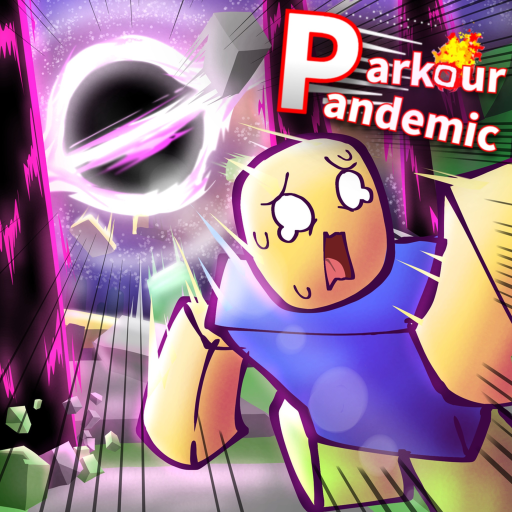
Void disaster overview
The Void disaster debuted in Parkour Pandemic Update 1 by Rxinen Projects. It erases playable floor space over time, collapsing the round into a vertical race while the two-minute timer still ticks.
Void is the defining beta hazard for the Update 1 map — level geometry includes wall-run towers and elevated bridges specifically to give Wall Boost players escape lines.
Mechanics and phases
Void typically progresses in staged telegraphs: warning UI, localized tile loss, then accelerated erosion of lower floors. Players who remain on voided tiles fall into the void and are eliminated.
Walls and many elevated structures persist longer than floors — Speed Gear Wall Boost is the canonical counter because it keeps momentum on vertical surfaces above voided layers.
Telegraph checklist
Train yourself to react to the first cue, not the last. Audio stingers, color shifts on ground tiles, and screen-edge warnings all precede visible holes.
If you are still collecting ground-level Volts when the first Void telegraph fires, abandon the pickup unless Power Dash can return you to height instantly.
Gear and control counters
Speed Gear: Wall Boost chains on tower walls. Power Gear: Air Blast for mid-air saves, Power Dash for horizontal escapes between surviving platforms. Fusion Gear: hybrid lines combining both after Update 1 unlock.
Base Dash, Slide, and Double Jump remain essential for early verticality before Gear charges come online.
Map synergy
Study three independent climbs on the Update 1 Map. Void rounds choke primary ladders when entire lobbies panic — secondary wall-boost routes win those moments.
Interior bridges often survive longer than exterior floors — mid-height safety is underrated for players who only rush the highest spire.
Strategy resources
For step-by-step survival drills, read the Void Disaster Guide. Pair with Update 1 patch context and Fusion Gear if you are optimizing late-beta routes.